Croissants Filled With Chocolate
Croissants Filled With Chocolate
The Magic of Laminated Dough
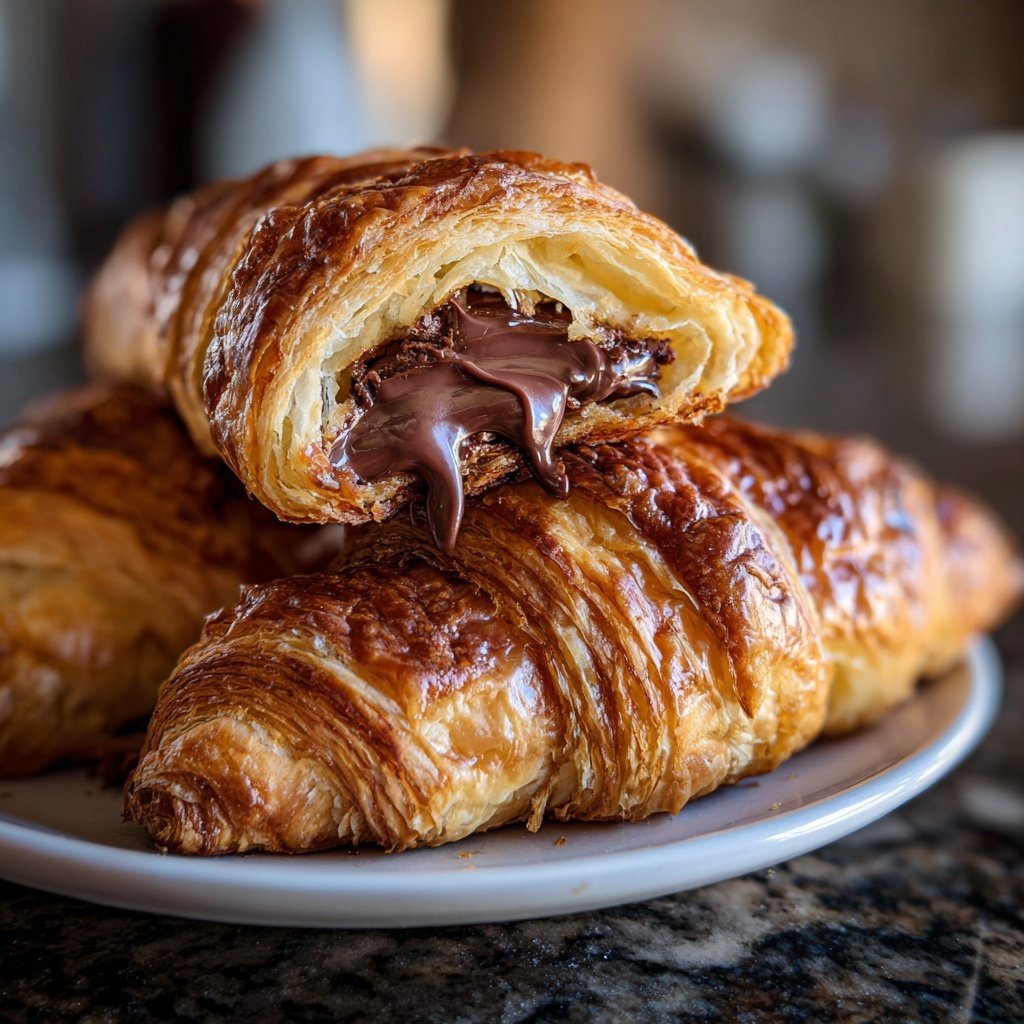
Laminated dough is the heart of croissants, and mastering this technique is essential. It involves folding layers of butter into the dough to create flaky, airy pastries. When rolling out the dough, aim for a rectangle about 1/4 inch thick, and ensure the butter is cold but pliable. If the dough becomes too warm, refrigerate it for 15-20 minutes; warm dough will lead to greasy, dense croissants. Watching for a glossy finish when the dough is ready to roll is key to achieving those perfect layers.
The folding process, known as turns, is crucial for developing the layers that make croissants so delightful. Typically, you’ll perform three turns. After each fold, give the dough a 30-minute chill in the fridge. This resting period not only relaxes the gluten but also prevents the butter from melting into the dough, ensuring distinct layers. Mastering the timing of these turns will make a noticeable difference in the final texture.
A common pitfall when working with laminated dough is overworking it, leading to tough pastries. Always handle the dough gently and avoid too much flour during the rolling process. If at any point the dough feels too soft, don’t hesitate to pop it back in the fridge for a bit. This pause allows the gluten to relax, which is essential for that tender, flaky finish after baking.
Choosing the Right Chocolate
The type of chocolate you choose for filling your croissants can transform the flavor profile. For a rich experience, opt for dark chocolate with at least 60% cocoa content; this adds a deep, sophisticated taste that balances well with the buttery croissant. Milk chocolate is sweeter and can provide a comforting flavor for those preferring a milder dessert, while semi-sweet chocolate strikes a balance between the two. Consider the melting point of the chocolate as well—the higher the cocoa content, the less likely it is to become overly runny when baked.
For a unique spin, experiment with flavored chocolates, such as orange or sea salt caramel—these can elevate the classic croissant to new flavor heights. Another great option is to mix in chocolate chips, which provide a delightful burst of sweetness and texture. By placing the chocolate towards the center of the croissant, you can ensure it melts but doesn't leak excessively during baking.
Remember that chocolate quantities can be adjusted based on your personal preference. If you’re a chocolate lover, feel free to increase the amount slightly; just be cautious not to overcrowd the pastry to maintain the croissant's shape. A well-balanced filling creates a harmonious bite that complements the flakiness of the dough, making every mouthful joyful.
Serving and Storing Your Croissants
Once your croissants are baked to a golden brown, they are best enjoyed warm. For serving, a light dusting of powdered sugar can add a touch of elegance without overwhelming the chocolate flavor. Pairing them with a dollop of whipped cream or a scoop of vanilla ice cream can transform your croissants into an indulgent dessert. I love serving them alongside a robust cup of coffee to balance the sweetness—perfect for breakfast or an afternoon treat.
If you need to store leftover croissants, keep them in an airtight container at room temperature for up to two days. For longer storage, freeze them. Place cooled croissants in a freezer-safe bag, ensuring as much air as possible is removed to prevent freezer burn. They can be reheated directly from frozen; just pop them in a 350°F (175°C) oven for about 15-20 minutes until warmed through and crisp on the outside.
If you're planning to make a batch for later, consider the timing of your baking. Croissants can be shaped and refrigerated for up to 24 hours before baking, allowing flavors to deepen without compromising the layers. Just be sure to let them sit at room temperature for a bit before baking, so they rise well in the oven. This technique makes it easy to prepare fresh croissants whenever you crave them.

Baking Tips for Perfect Croissants
When baking croissants, the temperature of your oven plays a crucial role. Preheat your oven to 400°F (200°C) for at least 30 minutes before placing your croissants inside. This ensures a quick rise and helps achieve that nice puffiness. Keep an eye on them towards the end of baking; you want that golden, crispy exterior without any burnt edges. A good visual cue is when the edges begin to darken and the surface is evenly golden.
Using a baking stone or placing your baking sheet on the lower rack can yield a better rise. The heat from these sources helps create steam, which is essential for achieving flaky layers. If you notice the tops browning too quickly, you can place a piece of aluminum foil over them for the remainder of the bake to prevent burning. This simple trick can save you from dark, overcooked tops.
Cooling is just as important as baking. Allow your croissants to cool on a wire rack for at least 15 minutes before serving. This prevents them from becoming soggy on the bottom, as air can circulate around the croissants, maintaining their flakiness. Patience is key—though they might tempt you, warm croissants need some time to set properly.
Ingredient Substitutions and Variations
For those looking to make this recipe dairy-free, you can substitute traditional butter with vegan butter. Look for high-fat varieties, as they behave similarly when layered and create a nice flake. Additionally, dark chocolate can often be found in dairy-free versions, making it easier to keep this treat vegan friendly. Just be sure to check labels carefully to ensure all ingredients meet your dietary needs.
If you want to add a fragrant twist to your croissants, consider incorporating some almond paste or marzipan into the filling. A small dollop adds wonderful moisture and a nutty sweetness that beautifully complements chocolate. Alternatively, you can sprinkle in some spices like cinnamon or nutmeg to the filling for a cozy, spiced version of the classic chocolate croissant.
For a more adventurous take, try savory versions by omitting the chocolate entirely. Fill the croissants with cheese, ham, or sautéed mushrooms for a delightful brunch option. These variations showcase the versatility of the laminated dough, allowing you to explore different flavors and textures at each meal. Feel free to experiment and tailor the filling to match your taste preferences!