Korean Bibimbap
Highlighted under: Local Food
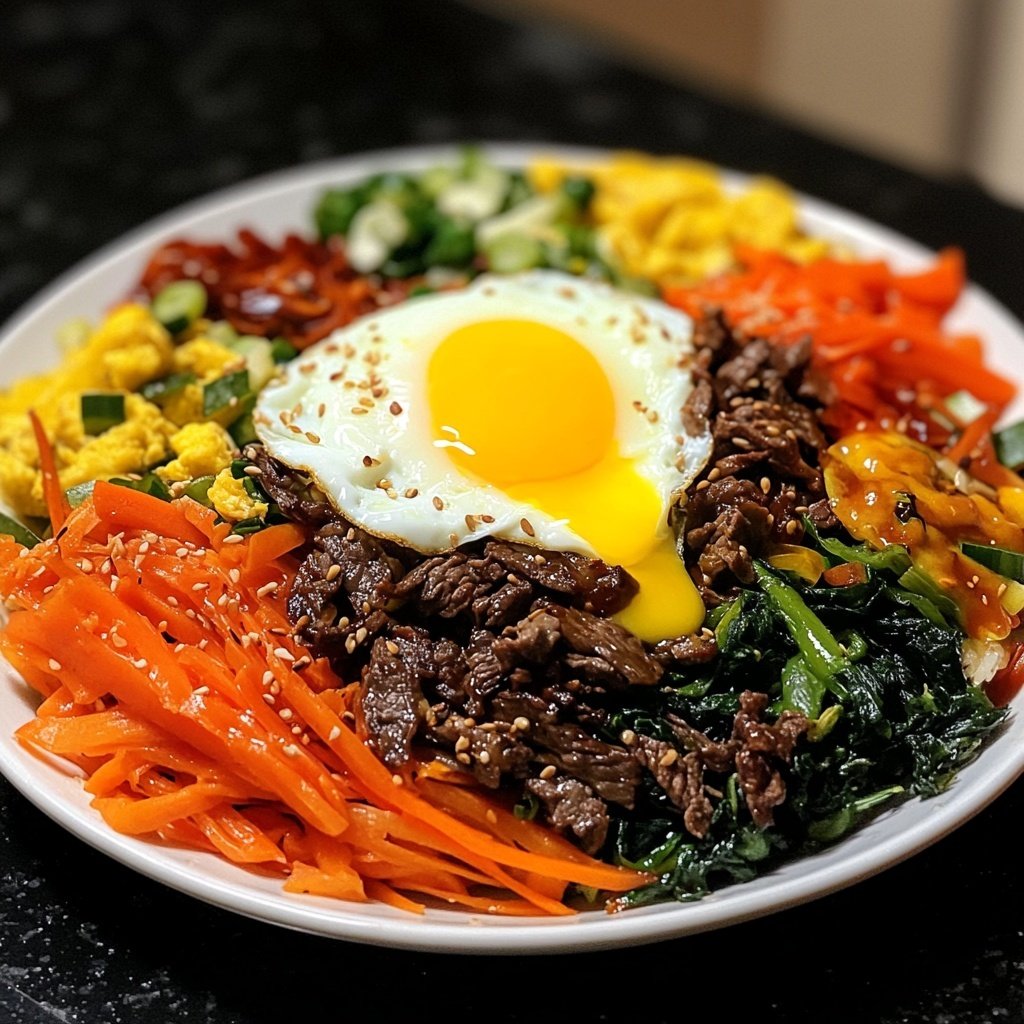
Korean Bibimbap is a vibrant and nutritious dish that brings together a medley of vegetables, meat, and rice, all topped with a perfectly fried egg and a spicy gochujang sauce.
Korean Bibimbap is a traditional Korean dish that literally means 'mixed rice'. It is known for its colorful presentation and is often served in a hot stone bowl, allowing the rice to crisp on the bottom. This dish is not only visually appealing but also packed with flavors and textures that make every bite delightful.
Why You'll Love This Recipe
- A beautiful array of colors from fresh vegetables
- Savory and spicy flavors that excite the palate
- Customizable with your choice of protein and toppings
The Essence of Bibimbap
Bibimbap, which translates to 'mixed rice,' is a quintessential Korean dish that showcases the beauty of Korean cuisine. Originating from the ancient practice of mixing leftover ingredients, this dish has evolved into a celebrated meal that highlights fresh, seasonal produce, proteins, and a variety of textures. Each component contributes to a harmonious balance of flavors, making it not only delicious but also visually appealing.
At its core, bibimbap embodies the philosophy of 'food as art.' The vibrant colors of the vegetables and the gleaming egg yolk create a feast for the eyes, while the gochujang sauce adds a kick that tantalizes the taste buds. Eating bibimbap is a delightful experience that engages all senses, making it a favorite among many.
Customizing Your Bibimbap
One of the most appealing aspects of bibimbap is its versatility. You can easily adapt this recipe to suit your taste preferences or dietary needs. Whether you want to go vegetarian, vegan, or switch up the protein, the options are endless. Try using chicken, shrimp, or even a mix of seasonal vegetables to keep things exciting.
Additionally, you can experiment with different toppings such as sliced avocado, radishes, or even kimchi for an extra flavor boost. This adaptability makes bibimbap a fantastic dish for family gatherings or meal prep, allowing everyone to customize their bowl to their liking.
Serving and Pairing Suggestions
When serving bibimbap, presentation is key. Consider using a large, wide bowl to showcase the colorful layers of rice, vegetables, and protein. A sprinkle of sesame seeds and a drizzle of sesame oil on top can elevate the dish's visual appeal even further. For added crunch, toasted seaweed flakes can also be a delightful garnish.
Pair your bibimbap with side dishes like kimchi or pickled vegetables for a complete meal experience. A refreshing cucumber salad or a light soup can also complement the rich flavors of the bibimbap, making for a satisfying dining experience.
Ingredients
For the Bibimbap
- 2 cups cooked rice
- 1 cup spinach, blanched
- 1 cup bean sprouts, blanched
- 1 medium carrot, julienned
- 1 zucchini, julienned
- 1 cup shiitake mushrooms, sliced
- 200g beef, thinly sliced (or tofu for a vegetarian option)
- 2 eggs
- 2 tablespoons gochujang (Korean chili paste)
- 1 tablespoon sesame oil
- 2 tablespoons soy sauce
- Salt and pepper to taste
- Sesame seeds for garnish
Feel free to add or swap any vegetables to suit your taste!
Instructions
Prepare the Vegetables
In a pan, heat some oil over medium heat. Sauté the carrots, zucchini, and mushrooms separately until tender. Season each with a pinch of salt and set aside.
Cook the Beef
In the same pan, add the beef (or tofu) and cook until browned. Add soy sauce, sesame oil, and stir until well combined. Remove from heat.
Fry the Eggs
In a separate pan, fry the eggs sunny-side up until the whites are set but the yolks are still runny.
Assemble the Bibimbap
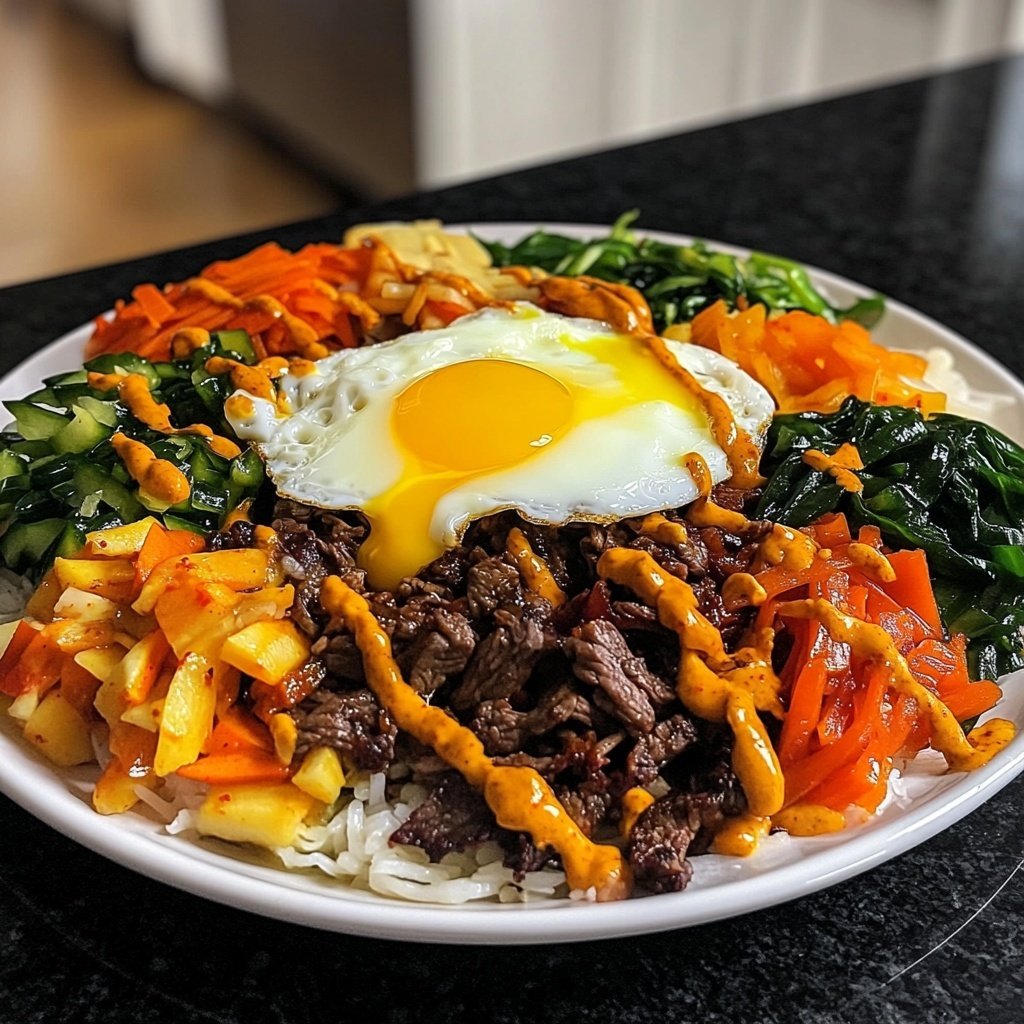
In a bowl, layer the rice, followed by the vegetables and beef. Top with a fried egg. Drizzle with gochujang and sprinkle with sesame seeds.
Mix and Enjoy
Before eating, mix all the ingredients together in the bowl, ensuring the gochujang is well incorporated. Enjoy your Korean Bibimbap!
Serve immediately while hot for the best experience!
Pro Tips
- For added flavor, you can use a hot stone bowl for serving, which creates a crispy rice bottom.
Tips for Perfecting Your Bibimbap
To achieve the best flavor in your bibimbap, it’s essential to use freshly cooked rice. Ideally, the rice should be slightly warm so that it can meld beautifully with the other ingredients. For added authenticity, consider using short-grain rice, which is stickier and allows for better mixing.
When preparing the vegetables, ensure they are cooked to the right tenderness. Overcooking can lead to a mushy texture, which detracts from the dish's overall appeal. Keep the vegetables vibrant and slightly crisp to maintain their natural flavors and nutritional benefits.
Storing Leftovers
If you have leftovers, bibimbap can be stored in an airtight container in the refrigerator for up to three days. However, it's best to keep the components separate until you're ready to enjoy them. This way, the vegetables retain their texture and the rice stays fluffy.
To reheat, simply warm the rice and vegetables in a pan or microwave. For the best results, add a splash of water when reheating to prevent the rice from drying out. Top with a freshly fried egg to bring the dish back to life.
Questions About Recipes
→ Can I make this dish vegetarian?
Absolutely! Simply replace the beef with tofu and use vegetable broth for cooking the vegetables.
→ What can I substitute for gochujang?
If you can't find gochujang, you can use a mixture of red pepper flakes and miso paste for a similar flavor.
→ How can I customize my Bibimbap?
You can add any vegetables you like, such as bell peppers, radishes, or even kimchi. The choice of protein is also flexible!
→ Can I prepare the ingredients in advance?
Yes, you can prepare the vegetables and meat ahead of time and store them in the refrigerator until you’re ready to assemble the dish.
Korean Bibimbap
Created by: Una Whitcombe
Recipe Type: Local Food
Skill Level: Intermediate
Final Quantity: 2 servings
What You'll Need
For the Bibimbap
- 2 cups cooked rice
- 1 cup spinach, blanched
- 1 cup bean sprouts, blanched
- 1 medium carrot, julienned
- 1 zucchini, julienned
- 1 cup shiitake mushrooms, sliced
- 200g beef, thinly sliced (or tofu for a vegetarian option)
- 2 eggs
- 2 tablespoons gochujang (Korean chili paste)
- 1 tablespoon sesame oil
- 2 tablespoons soy sauce
- Salt and pepper to taste
- Sesame seeds for garnish
How-To Steps
In a pan, heat some oil over medium heat. Sauté the carrots, zucchini, and mushrooms separately until tender. Season each with a pinch of salt and set aside.
In the same pan, add the beef (or tofu) and cook until browned. Add soy sauce, sesame oil, and stir until well combined. Remove from heat.
In a separate pan, fry the eggs sunny-side up until the whites are set but the yolks are still runny.
In a bowl, layer the rice, followed by the vegetables and beef. Top with a fried egg. Drizzle with gochujang and sprinkle with sesame seeds.
Before eating, mix all the ingredients together in the bowl, ensuring the gochujang is well incorporated. Enjoy your Korean Bibimbap!
Extra Tips
- For added flavor, you can use a hot stone bowl for serving, which creates a crispy rice bottom.
Nutritional Breakdown (Per Serving)
- Calories: 600 kcal
- Total Fat: 24g
- Saturated Fat: 6g
- Cholesterol: 186mg
- Sodium: 1080mg
- Total Carbohydrates: 70g
- Dietary Fiber: 5g
- Sugars: 5g
- Protein: 24g